
Honestly, buying a brand-new Ishida multi-head weigher can set you back anywhere from $160,000 and up depending on the model and features. That’s a serious chunk of change, especially for small to mid-sized packaging operations or startups trying to scale up without breaking the bank.
That’s why the used equipment market has been so appealing. A well-maintained used Ishida multi head weigher machine can deliver years of reliable service at a fraction of the new price. But here’s the catch: buying used equipment is a bit like buying a used car, you need to know what to look for, or you could end up with an expensive paperweight.
Ishida is arguably the gold standard in combination weighing technology, but even the best machines need proper care. Let me walk you through exactly what you should inspect before handing over your hard-earned money for a used multi-head weigher machine.
Start With the Seller’s Story
Before you even lay eyes on the machine, get the full history. Why are they selling? How long did they own it? What products did they run? How many hours per day was it operating?
A machine that ran 8 hours daily in a clean, climate-controlled facility packaging dry nuts is a very different proposition from one that ran 24/7 in a humid environment packaging sticky candy. Neither scenario is necessarily a deal-breaker, but you need to know what you’re getting into.
Ask for maintenance records. A seller with documented maintenance schedules, part replacements, and service records is showing you they cared for the equipment. No records? That’s a red flag worth considering carefully.
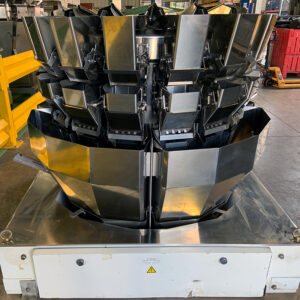
The Visual Inspection: First Impressions Matter
When you first see the multi-head weigher machine, take a step back and look at the overall condition. Does it look reasonably clean and well-maintained, or does it look like it’s been through a war?
Check for:
Physical damage:
Dents, cracks, or bent components suggest rough handling or accidents. Minor cosmetic issues are fine, but structural damage could affect performance.
Corrosion and rust:
Especially important on stainless steel models. Surface rust might be superficial, but deep pitting or corrosion in critical areas is a serious problem.
Cleanliness:
While you’ll obviously clean it before use, excessive product buildup suggests poor maintenance habits. If they didn’t bother cleaning it before showing it to potential buyers, what else did they neglect?
Load Cells: The Heart of Accuracy
The load cells are literally what make a multi-head weigher machine work. These precision sensors measure product weight, and they’re also one of the most expensive components to replace.
Ask the seller about load cell calibration history. When were they last calibrated? Have any been replaced? Ishida load cells are known for longevity, but they do wear out eventually.
If possible, request a recent calibration certificate or test weights to verify accuracy. A machine that can’t weigh accurately is just an expensive product dispenser.
Look for any signs of impact damage to load cell areas. Even minor bumps during transport or operation can throw off calibration or damage these sensitive components permanently.
Electronics and Control Systems
The brains of any modern multi-head weigher machine are its electronic controls. This is where things can get expensive if there are problems.
Power up the machine if possible. Does the touchscreen or control panel respond properly? Are there any error codes or warning messages?
Check all cable connections and wiring harnesses. Look for frayed wires, loose connections, or evidence of rodent damage (yes, it happens). Electrical gremlins are notoriously difficult to troubleshoot.
Ask about the controller software version. Older software might limit functionality or make future upgrades difficult. Check if Ishida still supports that particular model and software version.
Moving Parts and Mechanical Components
A multi-head weigher machine has numerous moving parts that wear over time. During your inspection, if possible, run the machine through several cycles.
Listen carefully. Unusual noises, grinding, squeaking, or rattling, indicate worn bearings, loose components, or alignment issues.
Watch bucket doors operate. They should open and close crisply and completely. Hesitation or incomplete opening suggests worn actuators or pneumatic problems.
Check pneumatic systems if equipped. Look for air leaks (listen for hissing), inspect air lines for cracks or damage, and verify that pressure gauges show appropriate readings.
Examine drive belts and chains. Cracks, glazing, or excessive wear mean replacements are coming soon.
Software and Documentation
Does the sale include the original user manuals, parts diagrams, and software documentation? These might seem like minor details, but they’re incredibly valuable for troubleshooting and maintenance.
If the machine has been modified or customized, get documentation on what was changed and why. Undocumented modifications can cause headaches down the road.
The Bottom Line
Buying a used Ishida multi-head weigher machine can be a smart financial move that gets you premium technology at an affordable price. But only if you do your homework.
Take your time, ask questions, inspect thoroughly, and don’t let excitement override common sense. A well-chosen used machine can serve your operation reliably for many years. A hastily purchased problem machine will cost you far more than you saved on the purchase price. When in doubt, walk away. The right machine at the right price will come along, and when it does, you’ll know exactly what to look for.